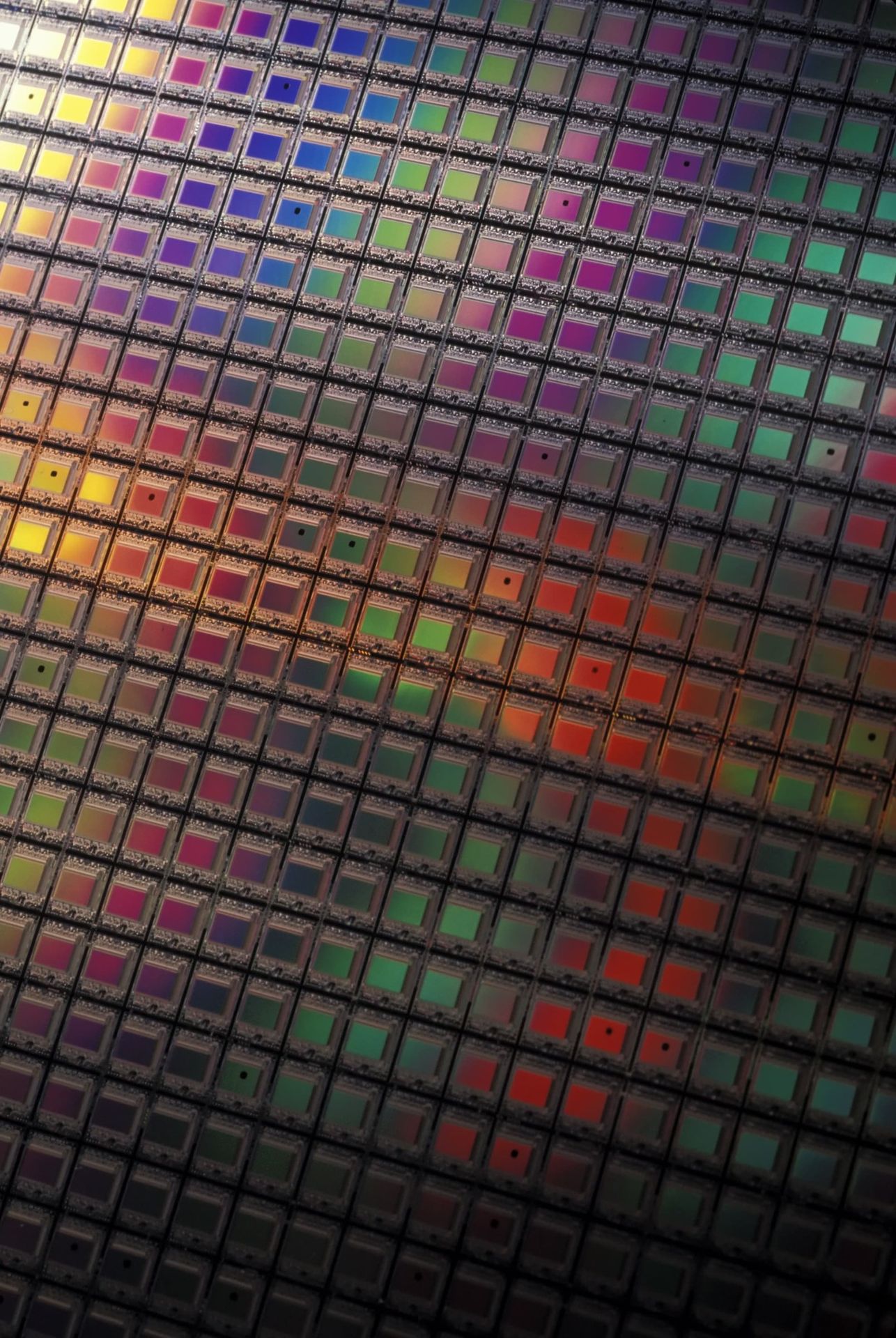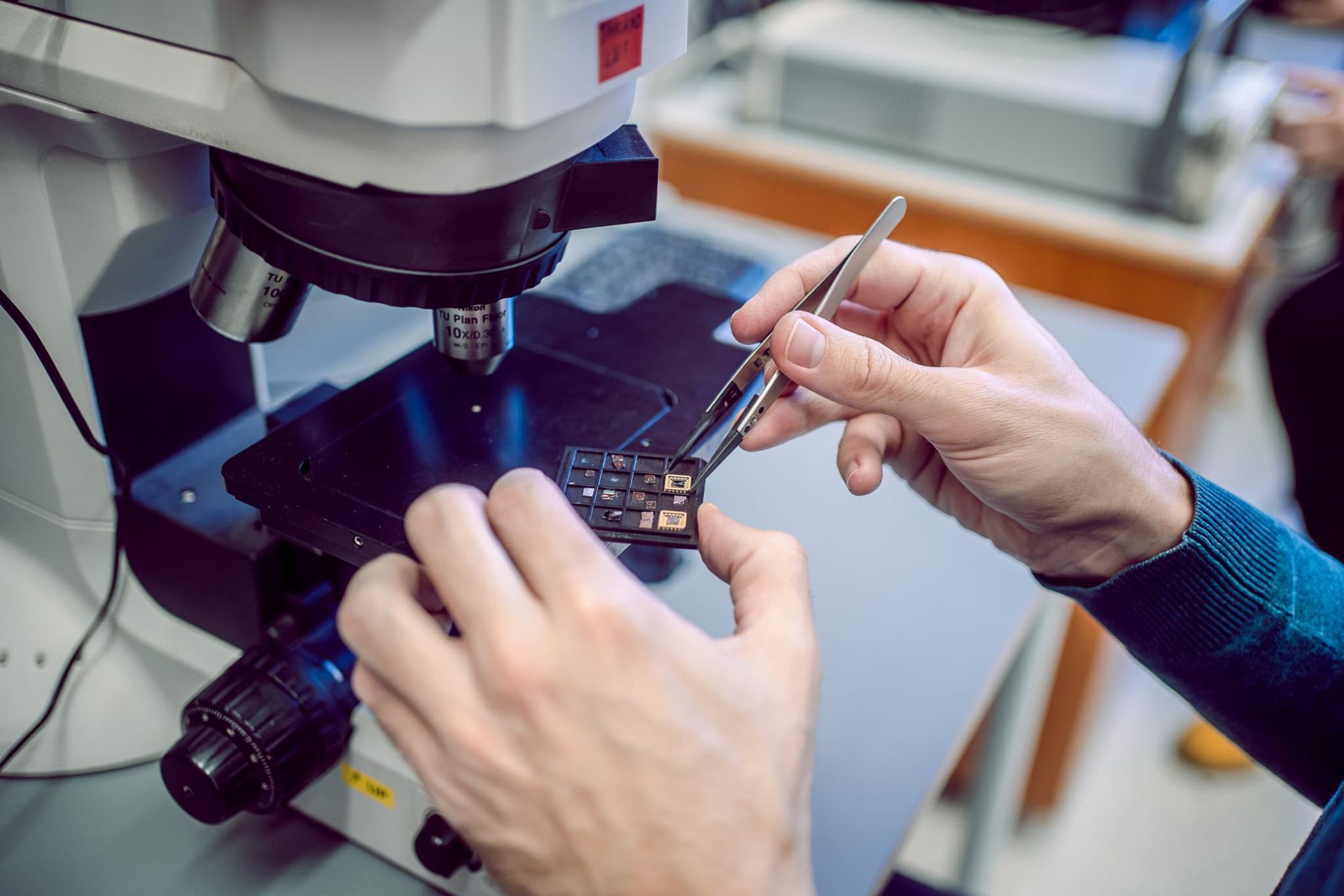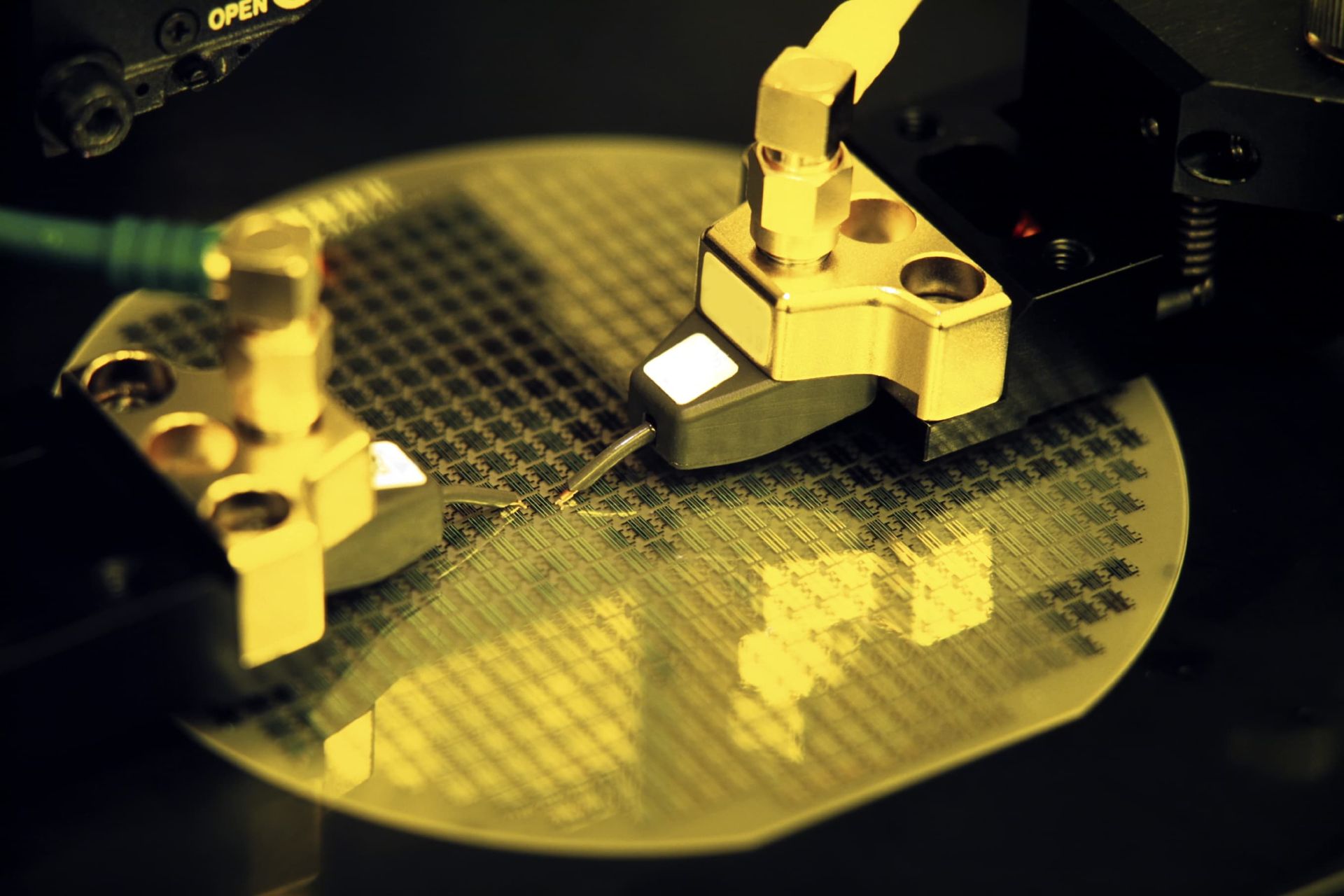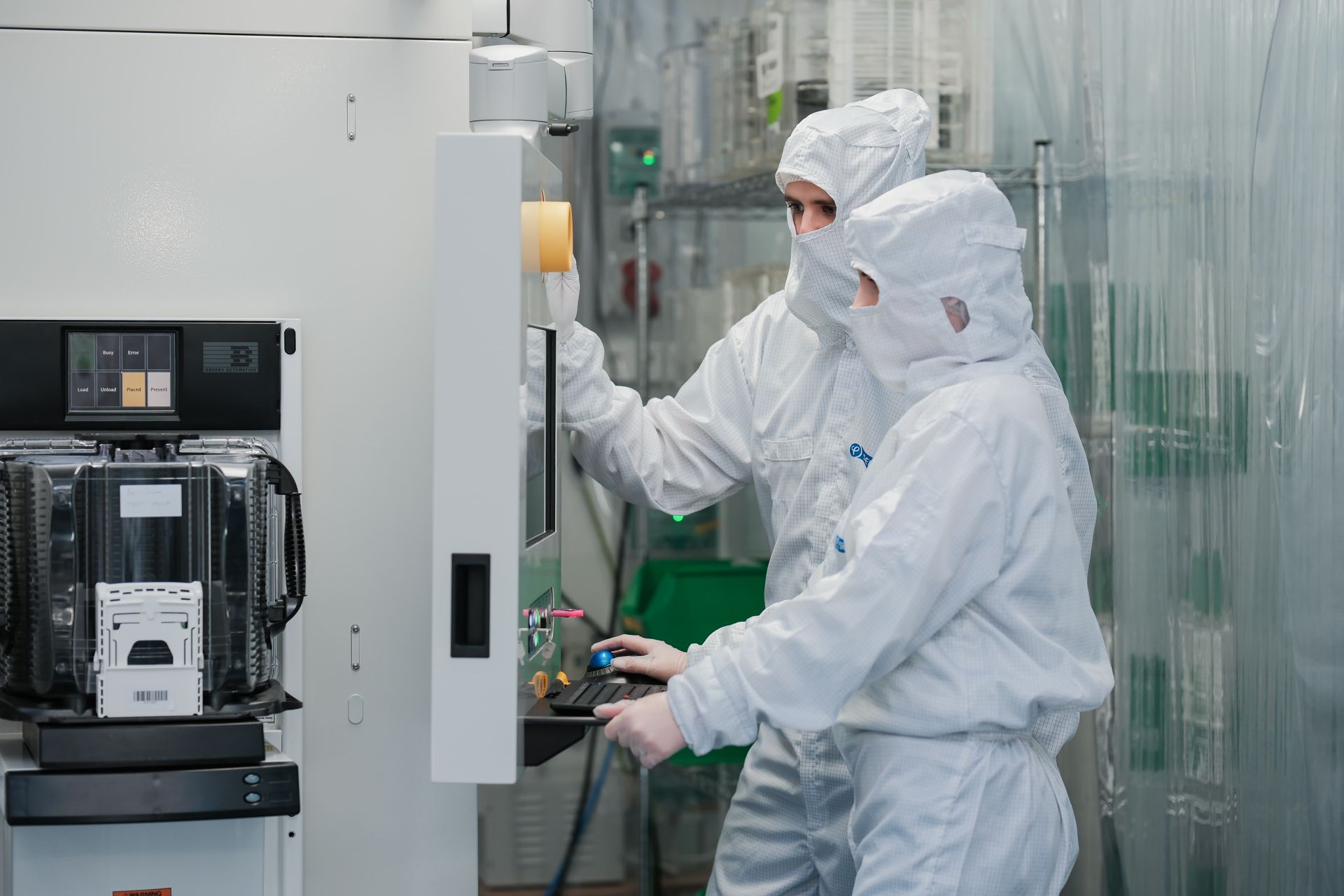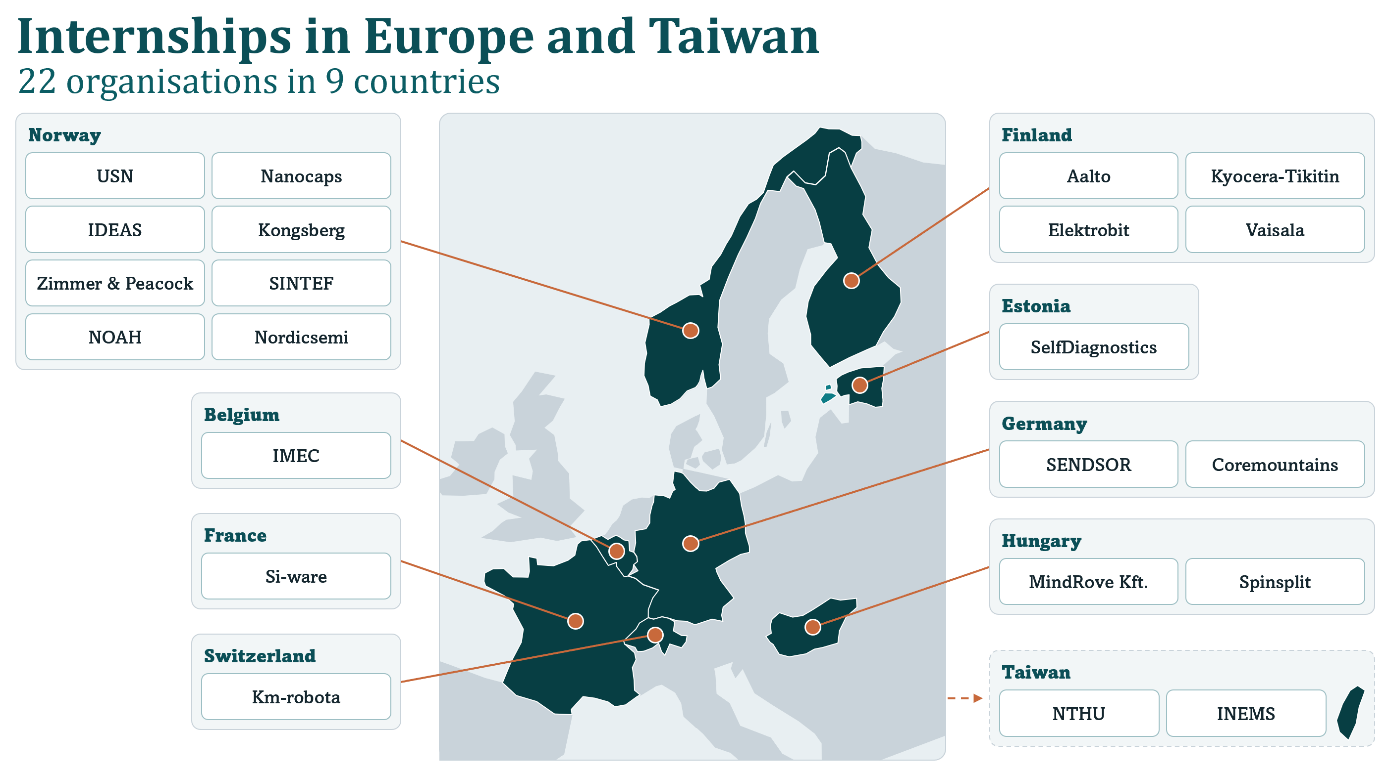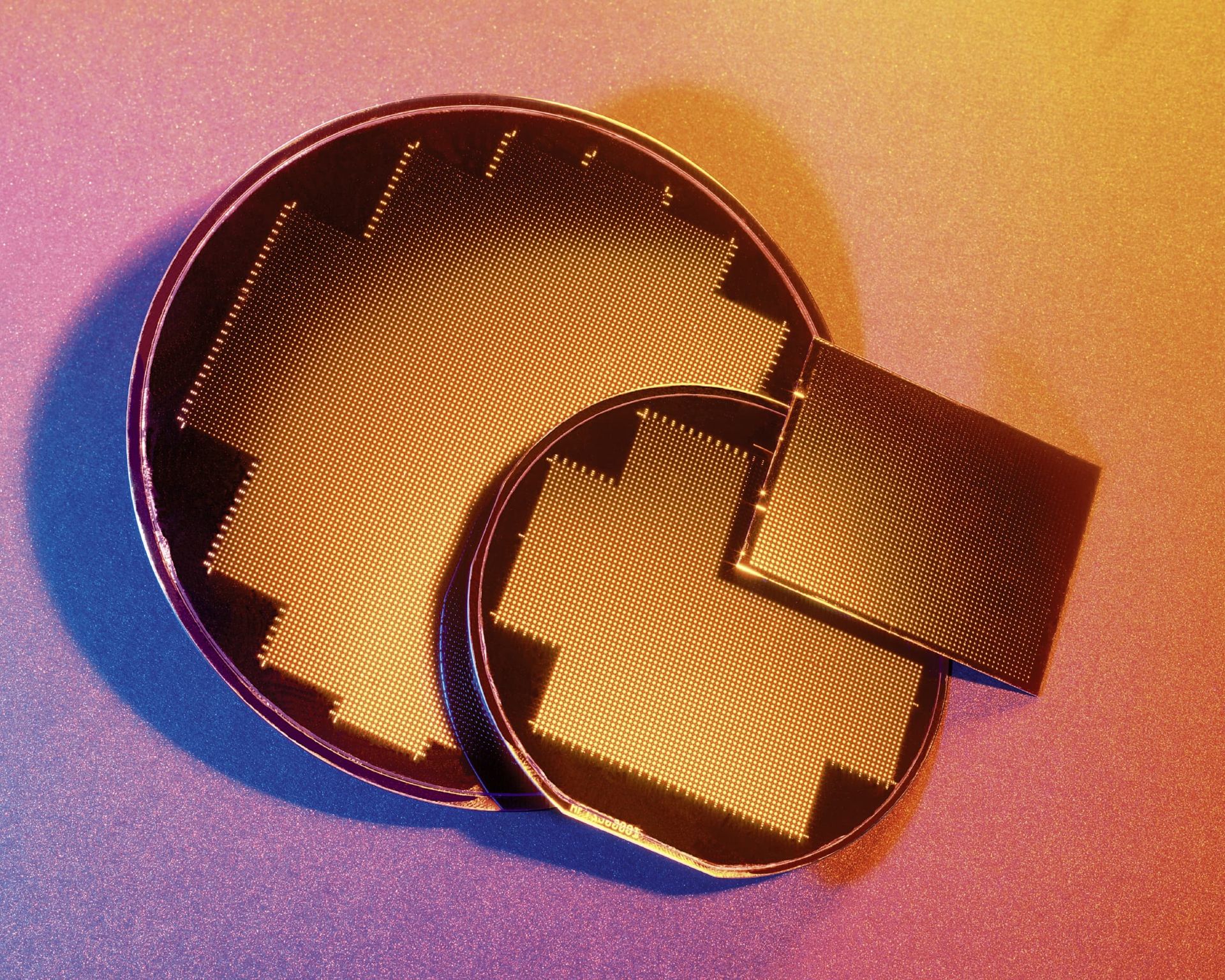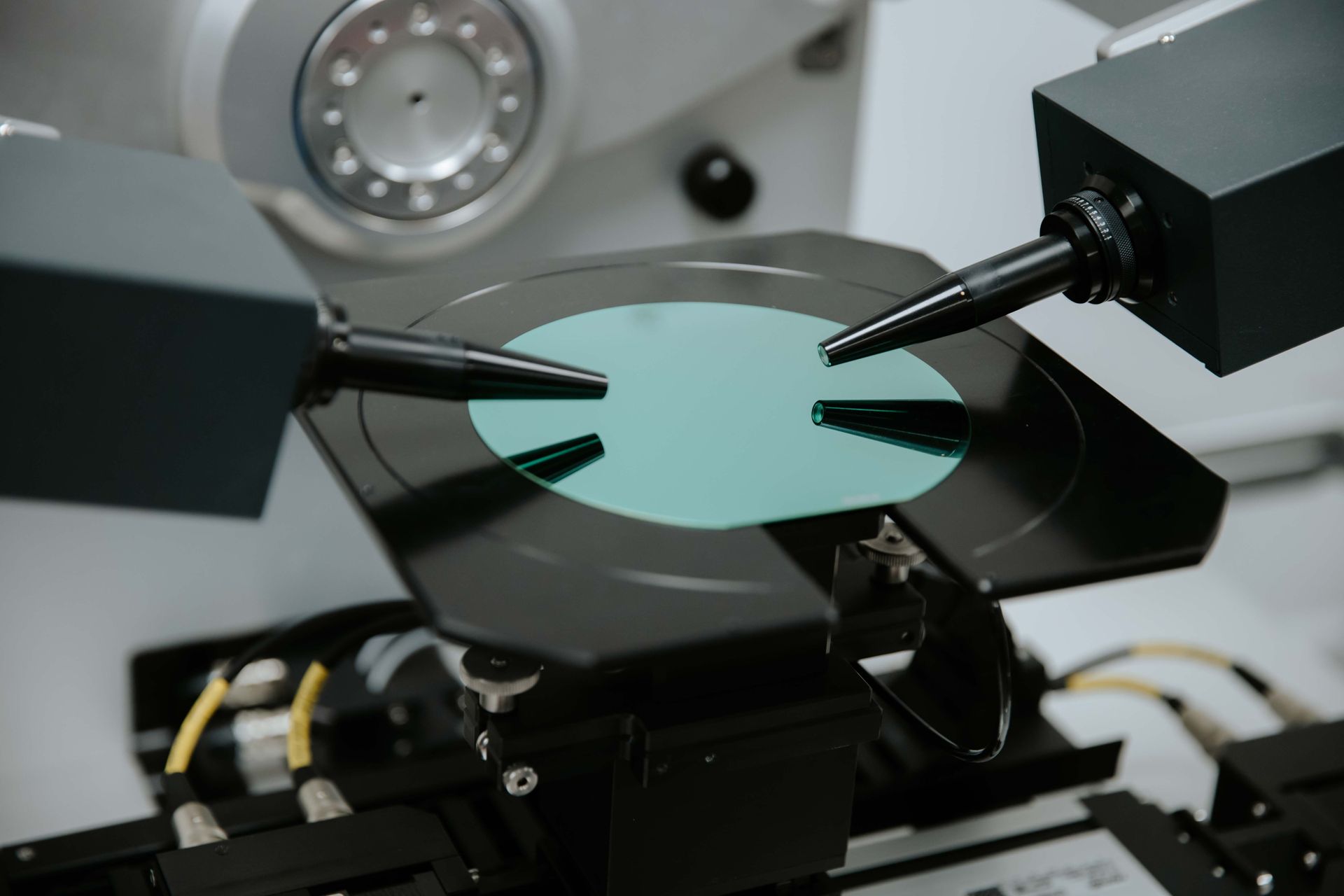

The Semiconductor ChipS Integration and Innovation (SSI²) is a Joint International Master degree, given by three European Universities: University of South-Eastern Norway, Aalto University, and Budapest University of Technology and Economics. It addresses semiconductor chips design and manufacturing, spanning several technology platforms. The programme is application-centred, where the students learn how a market need calls for different kinds of components, and how sensors, actuators and electronic processing are integrated into functional devices and systems. The programme is aligned with the European Chips Act, highlighting the need for a large workforce of skilled workers for the European chips industry. Industry is closely involved in the execution of the master programme.
The 120 ECTS programme runs over four semesters. The first three are dedicated to taught courses and give students the unique possibility to experience a cross-section of Europe through the three European countries (Finland, Norway and Hungary). These three semesters include an 18-month hands-on industry-relevant innovation project, embodying a “learning by doing” philosophy. The curriculum leverages the infrastructure and industry networks of partner universities, aligned with the emerging European semiconductor industry needs. In the fourth semester, students undertake a research project for their master’s thesis.
Entrepreneurship, internships, and employable skills training are integrated throughout the programme. Courses in culture, society, and language foster an appreciation for EU values.